
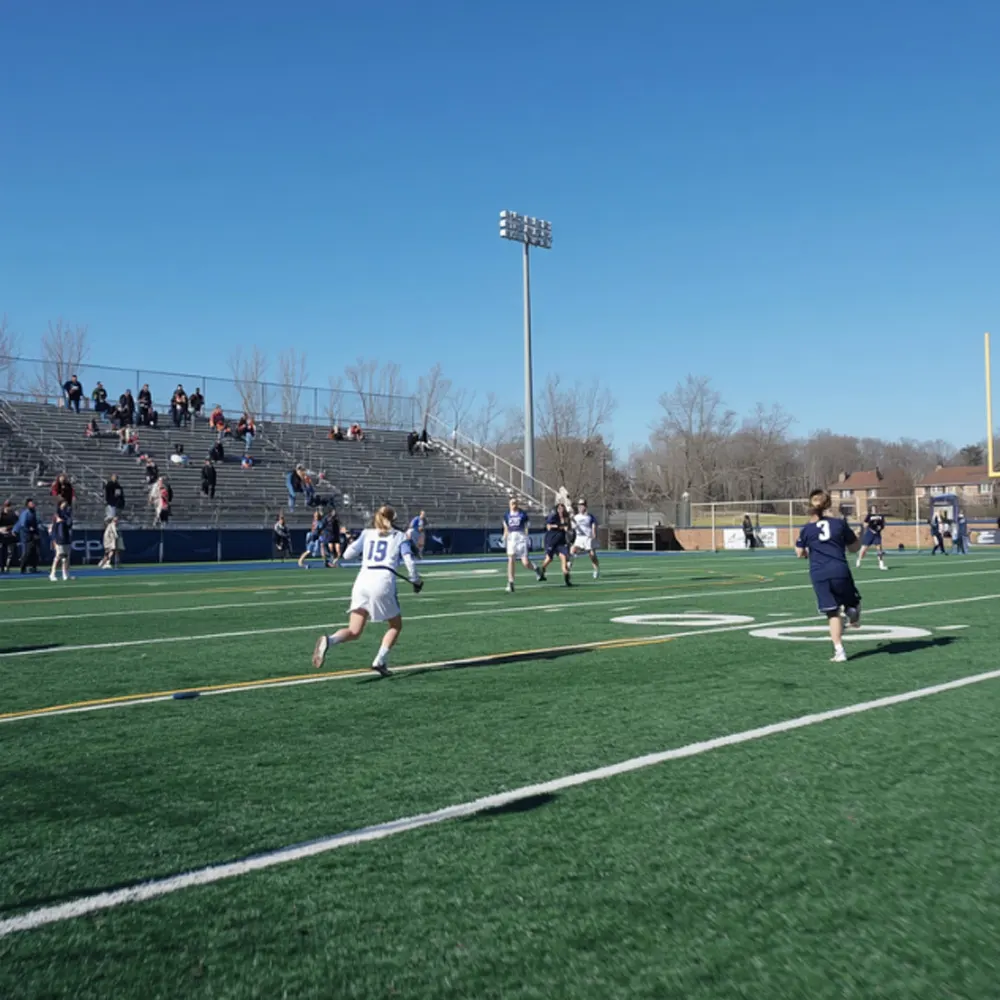
Hockey, soccer, field hockey, lacrosse, and—to some extent—baseball and softball have long-standing, strong club teams. Several of these sports are often not official high school sports. Even though they use the school logo and mascot name, they are officially a club sport. For parents, that means the rules that govern all state-sanctioned sports do not apply. You may see kids play more games (both JV and Varsity) on the same day, alcohol sold at facilities where games are played, and coaches that are not employees of the school but are instead paid by a parent organization that runs the team and budget.
The 10,000-pound gorilla of high school sports, when looked at by the number of kids playing, schools participating, and number of teams per school, is soccer. Yes, more revenue comes from football, basketball, baseball, and hockey, but there is no other sport that has the weight that soccer has. While the NFHS runs high school sports, the USSF runs club. There are park and recreation as well as religious leagues around each city, but the kids that are participating in high school soccer are by and large also playing on club teams in a league that is part of the USSF.
Internationally, club sports are run by the same organizations that run each nation’s Olympic team. These organizations all belong to one governing body. USSF is part of FIFA, US Hockey is part of IIHF, and it goes on and on. Each sport runs youth leagues, and the rules they create filter down into the games that kids play every week.
Each nation has kids that go to school, and as such, these schools have an academic calendar. People in Australia don’t go to school the same months as those in the US or South America. You can see where this is going. When teams from the US play those from England, if each nation were to use their school year for team age alignment and cut-off, it would be a mess. As such, pretty much every sport uses the calendar year for placing kids on teams.
For many years, the US used the school year for placing kids on club teams. Other nations did the same. As sports became global, more and more sports went to calendar years. This has less effect outside of the US, as most teams for kids in other nations are not part of the school. They are mostly all club. High school sports is a strongly American tradition.
That creates a divide for teams that will be playing other teams outside of the US. To fix this issue, hockey, soccer, and other sports moved their club teams from the school year to the calendar year. It created a mess in 2016 for soccer. Hockey was years before that. The rub is that kids don’t like it at the lower levels. The overwhelming majority of kids will never play soccer against any team from outside of the US. Further, kids like playing with their friends or teammates they have known for years. Having kids from different years reduces that comradery.
Numbers are down for youth soccer in the US. It’s been trending that way for the last ten years or so. Having kids from different academic school year classes playing on the same club team creates a disjointed feel for almost every kid that’s playing club and high school sports. Coaches spend endless hours explaining why sports use a different calendar year than club sports.
If your team is in a region, say Michigan, that often plays in Canada, then there is a reason for you to have a team with ages that match those from that nation. However, there is no reason for the other 95% or more of all kids in pretty much every sport and age. It’s unlikely that the U10 club team in the B division of almost any state will do any international travel, even if they live next door to Canada or Mexico.
Before the change to the calendar year, teams were created to travel to international locations. These were high-level players that were often headed to the college and then professional ranks. That’s not many of the kids that are playing around the US.
The rule change by the USSF to move youth soccer back to the school calendar year is an excellent decision and should be followed by other sports. Hopefully, this will help with the chronic reduction in the number of kids playing the sport and continuing to play through their high school years. Not only is there a lower number of kids playing soccer, but there is also a high number that leave the sport when they hit their high school years. Hanging out with their friends on the club and high school team should help.